PATHOLOGY I AND II AND GENETICS IMPORTANT QUESTIONS FOR BSC NURSING 2026
These are most repeated Questions from last 10 year question bank
Ten Marks
Blood Collection Methods for pathology, biochemistry and microbiology tests
Etiopathogenesis and complications of rheumatic heart disease
Neoplasm and different pathways of spread of malignant tumor
Peptic ulcer. Pathogenesis and morphology (important)
FREE PATHOLOGY – I NOTES PDF FOR BSC NURSING SECOND YEAR THIRD SEMESTER CLICK HERE
Define oedema. Its pathogenesis
Pathogenesis and morphology of pyogenic osteomyelitis
Define inflammation and cellular events of inflammation (important)
Pneumonia
Difference between benign and malignant tumor
Etiopathogenesis of tuberculosis (important)
Five Marks
Bone healing
Cryptorchidism
Methods of blood grouping and cross matching (important)
Lung abscess
Pathophysiology of edema
Aneurysm (important)
Renal calculi
Atrophy
Difference between benign and malignant tumor (important)
Bleeding time and clotting time
Factors affecting wound healing
Bronchiectasis
Liver cirrhosis
CSF analysis
Bone healing
Hemoglobin estimation
Etiopathogenesis of tuberculosis
Etiopathogenesis of embolism
Bronchial asthma
Transfusion reactionGenetics
Two Mark
Trisomy and examples
Mention four autosomal recessive disorders
Lyon hypothesis
Co-dominance and example
Mention four anomalies in turner’s syndrome
Goals of human genome project
Spontaneous abortion
Clinical features of klinefelter’s syndrome
Amniocentesis
Gene therapy
Name single gene disorders
Legal and ethical issues in genetic counselling
Prenatal testing and diagnosis (important)
Down syndrome (trisomy 21)
Sickle cell anemia
Autosomal recessive disorders
Sex chromosome
Tumor suppressor gene
Name four sex linked inheritance
Name four prenatal diagnostic test
Chromosomal disorder
Turner’s syndrome
Sex chromatin
Four causes of spontaneous abortion
Role of nurses in genetic counseling
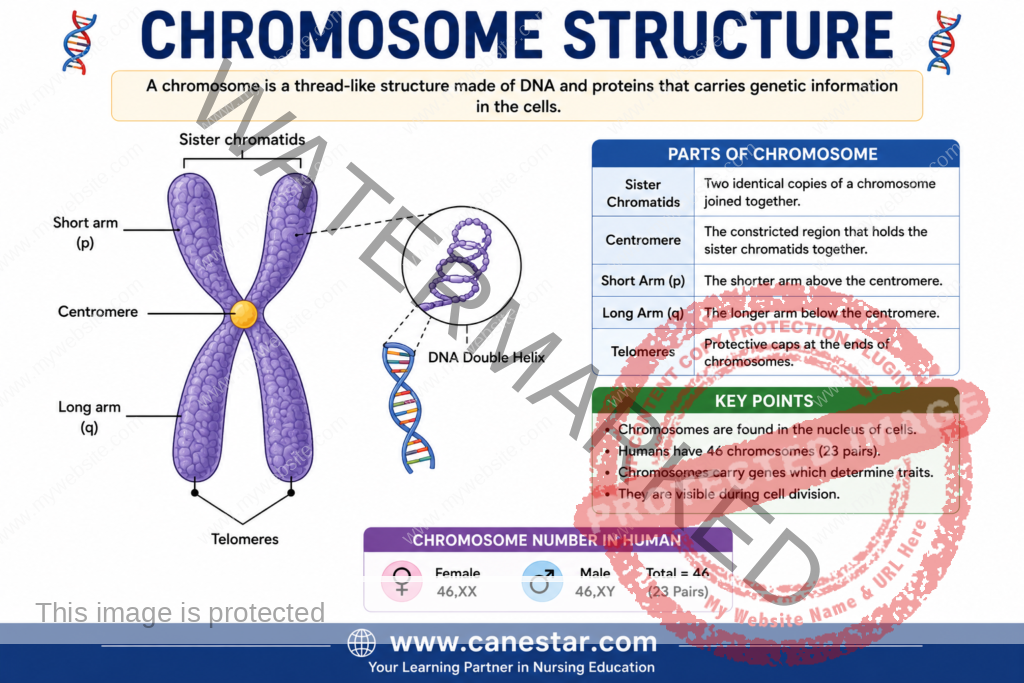
Structure of the chromosome
List four autosomal abnormalities
Define infertility
Define karyotyping
Name four trisomies
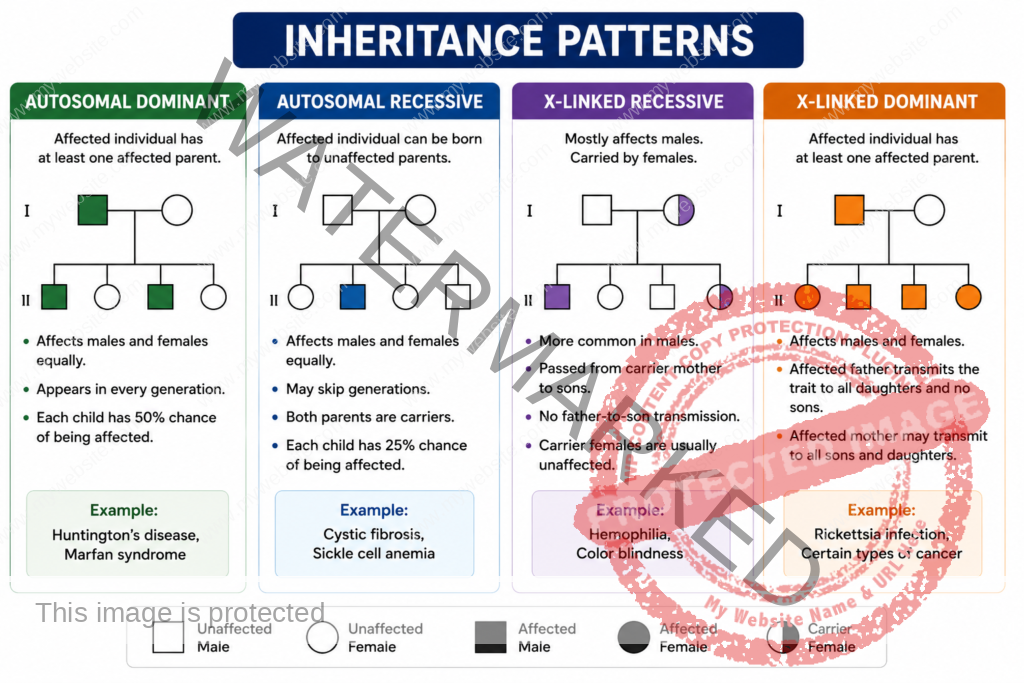
Autosomal dominant inheritance
Name four inborn error of metabolism
Types of chromosome
Define barr body
Recombinant DNA technology
Complete Exam Preparation Guide with Important Questions, Viva Questions, Short Notes and MCQs
Pathology and Genetics are fundamental subjects in the BSc Nursing curriculum. These subjects help nursing students understand disease mechanisms, cellular changes, hereditary disorders, chromosomal abnormalities, genetic counseling, and the scientific basis of patient care. A strong understanding of pathology and genetics enables nurses to identify disease processes, recognize clinical manifestations, assist in diagnosis, provide effective nursing interventions, and educate patients and families.
This comprehensive collection of Pathology and Genetics Important Questions for BSc Nursing Students is designed to support university examination preparation, internal assessments, viva voce examinations, assignments, and competitive nursing examinations.
What is Pathology?
Pathology is the branch of medical science that studies diseases, their causes, mechanisms, structural changes, and effects on the human body. It helps healthcare professionals understand how diseases develop and affect tissues, organs, and body systems.
Pathology provides the scientific foundation for disease diagnosis, treatment planning, and patient management. Nurses use pathology knowledge daily while caring for patients with acute and chronic illnesses.
Importance of Pathology in Nursing
Understanding pathology helps nurses:
- Recognize signs and symptoms of disease
- Monitor disease progression
- Assist in diagnostic procedures
- Interpret laboratory findings
- Prevent complications
- Provide evidence-based care
- Educate patients and families
- Support disease prevention programs
Knowledge of pathology improves clinical judgment and enhances patient safety.
What is Genetics?
Genetics is the study of heredity and the transmission of traits from parents to offspring through genes and chromosomes. Genetics explains how inherited characteristics and genetic disorders occur and influence health.
Modern healthcare increasingly relies on genetic knowledge for disease prevention, diagnosis, screening, counseling, and personalized treatment approaches.
Importance of Genetics in Nursing
Genetics helps nurses:
- Identify hereditary diseases
- Assess family health history
- Participate in genetic counseling
- Support prenatal screening
- Educate patients regarding inherited disorders
- Promote preventive healthcare
- Improve patient outcomes
- Assist families in informed decision-making
Genetic knowledge is becoming increasingly important in nursing practice worldwide.
Most Important Pathology Topics for BSc Nursing Exams
Students should focus on the following high-yield topics:
Cell Injury and Cellular Adaptation
Frequently asked concepts include:
- Reversible cell injury
- Irreversible cell injury
- Necrosis
- Apoptosis
- Atrophy
- Hypertrophy
- Hyperplasia
- Metaplasia
Important Questions
- Define necrosis and explain its types.
- Differentiate apoptosis and necrosis.
- Explain cellular adaptations with examples.
- Discuss causes of cell injury.
Inflammation
Inflammation is one of the most frequently asked pathology topics.
Important Questions
- Define inflammation.
- Explain acute inflammation.
- Describe chronic inflammation.
- Differentiate acute and chronic inflammation.
- Explain the stages of inflammation.
- Discuss mediators of inflammation.
Healing and Repair
Important Questions
- Explain wound healing.
- Discuss factors affecting wound healing.
- Describe healing by primary intention.
- Describe healing by secondary intention.
- Explain complications of wound healing.
Neoplasia
Neoplasia is an extremely important examination topic.
Important Questions
- Define neoplasia.
- Differentiate benign and malignant tumors.
- Explain carcinogenesis.
- Discuss tumor metastasis.
- Describe warning signs of cancer.
- Explain grading and staging of tumors.
Hematological Disorders
Important diseases include:
- Anemia
- Leukemia
- Hemophilia
- Thalassemia
Important Questions
- Define anemia and classify its types.
- Explain iron deficiency anemia.
- Discuss leukemia and its complications.
- Describe hemophilia and nursing management.
- Explain thalassemia.
Cardiovascular Disorders
Important Questions
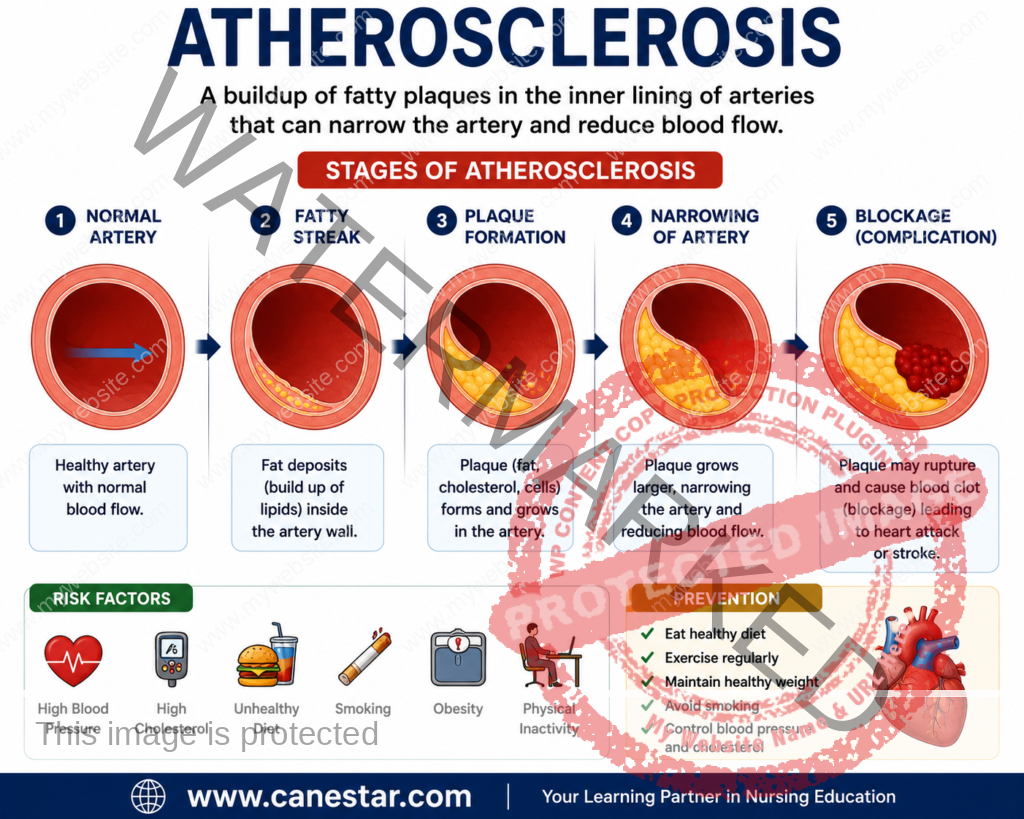
- Explain atherosclerosis.
- Describe hypertension and complications.
- Discuss myocardial infarction.
- Explain rheumatic heart disease.
- Describe congestive heart failure.
Endocrine Disorders
Important Questions
- Explain diabetes mellitus.
- Discuss diabetic complications.
- Explain hyperthyroidism.
- Describe hypothyroidism.
- Discuss endocrine gland disorders.
Most Important Genetics Topics for BSc Nursing Exams
DNA Structure and Function
Important Questions
- Describe DNA structure with diagram.
- Explain DNA replication.
- Discuss functions of DNA.
- Differentiate DNA and RNA.
- Explain protein synthesis.
Chromosome Structure
Important Questions
- Define chromosome.
- Describe chromosome structure.
- Explain chromosome abnormalities.
- Discuss human karyotype.
- Explain chromosomal mutations.
Patterns of Inheritance
Important Questions
- Explain autosomal dominant inheritance.
- Discuss autosomal recessive inheritance.
- Explain X-linked inheritance.
- Describe Y-linked inheritance.
- Differentiate dominant and recessive inheritance.
Pedigree Chart Analysis
Important Questions
- Define pedigree chart.
- Explain symbols used in pedigree charts.
- Discuss the importance of pedigree analysis.
- Explain inheritance tracking through pedigree charts.
Chromosomal Disorders
Down Syndrome
Frequently asked topics:
- Causes
- Clinical features
- Diagnosis
- Nursing implications
Turner Syndrome
Important points:
- Monosomy X
- Clinical manifestations
- Management
Klinefelter Syndrome
Important points:
- XXY genotype
- Clinical features
- Diagnosis
Important Questions
- Explain Down Syndrome.
- Discuss Turner Syndrome.
- Describe Klinefelter Syndrome.
- Explain chromosomal abnormalities.
Genetic Counseling
Important Questions
- Define genetic counseling.
- Explain principles of genetic counseling.
- Discuss the role of nurses in genetic counseling.
- Explain ethical issues in genetics.
Frequently Asked Viva Questions
Pathology Viva Questions
- What is pathology?
- Define necrosis.
- What is apoptosis?
- What is inflammation?
- Define neoplasia.
- What is metastasis?
- Define anemia.
- What is leukemia?
- What is atherosclerosis?
- What is diabetes mellitus?
Genetics Viva Questions
- What is genetics?
- Define gene.
- Define chromosome.
- What is DNA?
- What is mutation?
- What is trisomy?
- Define genetic counseling.
- What is a pedigree chart?
- What is karyotyping?
- What is inheritance?
Repeated University Examination Questions
The following questions appear frequently in nursing examinations:
- Acute and chronic inflammation.
- Necrosis and apoptosis.
- Benign and malignant tumors.
- Wound healing.
- Leukemia.
- Diabetes mellitus.
- Atherosclerosis.
- Hypertension.
- DNA structure.
- Chromosome structure.
- Down Syndrome.
- Turner Syndrome.
- Klinefelter Syndrome.
- Genetic counseling.
- Patterns of inheritance.
Students should prioritize these topics during revision.
Examination Preparation Tips
Focus on Definitions
Many short-answer questions come directly from definitions.
Practice Diagrams
Important diagrams include:
- DNA structure
- Chromosome structure
- Pedigree chart
- Atherosclerosis
- Leukemia
- Cell injury
- Inflammation
Use Flowcharts
Flowcharts improve understanding and help secure higher marks.
Revise Previous Year Questions
University examinations frequently repeat important concepts.
Learn Clinical Correlations
Understanding the clinical significance of diseases improves long-answer performance.
Benefits of Studying Pathology and Genetics
These subjects help students:
- Understand disease mechanisms
- Improve clinical reasoning
- Interpret laboratory investigations
- Recognize hereditary disorders
- Participate in disease prevention
- Deliver evidence-based care
- Prepare for competitive examinations
- Build a strong nursing foundation
Frequently Asked Questions (FAQs)
What are the most important pathology topics for BSc Nursing?
Cell injury, inflammation, neoplasia, wound healing, anemia, leukemia, diabetes mellitus, atherosclerosis, and hypertension are among the most important topics.
What are the most important genetics topics for nursing students?
DNA structure, chromosome structure, inheritance patterns, pedigree charts, chromosomal disorders, and genetic counseling are commonly tested topics.
Is Pathology and Genetics difficult in BSc Nursing?
No. With regular revision, understanding of concepts, and practice of important questions, students can perform well in examinations.
Are these questions useful for university examinations?
Yes. These questions are based on frequently asked university examination patterns and important syllabus topics.
How can I score high marks in Pathology and Genetics?
Study definitions, practice diagrams, revise previous year questions, focus on high-yield topics, and understand disease mechanisms thoroughly.
Download Pathology and Genetics Important Questions PDF
Prepare effectively for examinations with these comprehensive Pathology and Genetics Important Questions for BSc Nursing Students. The collection includes long essays, short notes, viva questions, repeated university questions, and revision topics that help students build strong conceptual understanding and achieve academic success.